A missing layer, NOT A SUPPORT PROBLEM.
Aleya started with a specific observation, the kind that sits in the back of your head until you can't ignore it anymore.
Connected infrastructure has scaled faster than its ability to recover in public. Machines can authenticate, meter, route, report, and transact. They can do almost anything in the language of a server. But when something goes wrong in front of a normal person, most of them go silent. Recovery gets handed to a generic support team with partial context and no real path into the machine.
That isn't a customer service problem. It's a missing layer of the stack.
How we met
Gerardo Flores and Otto Von Bergow met through an AI community in Barcelona, where Aleya is now built, alongside London. Their first conversation lasted four hours, over a few cups of coffee.
What started as technical curiosity turned into a shared conviction. Modern infrastructure had become connected almost everywhere, except at the moment it fails in public. Gerardo had seen it commercially, across electrification and EV operations. Otto had seen it from the systems side, inside the data platforms that run high-volume IoT infrastructure.
It became clear quickly that they were looking at the same problem from two angles. They started building shortly after.
Why we think this is a category, not a feature
When people first hear what Aleya does, they tend to file it under support tooling or a cheaper contact centre.
We think that framing is too small for the actual bet.
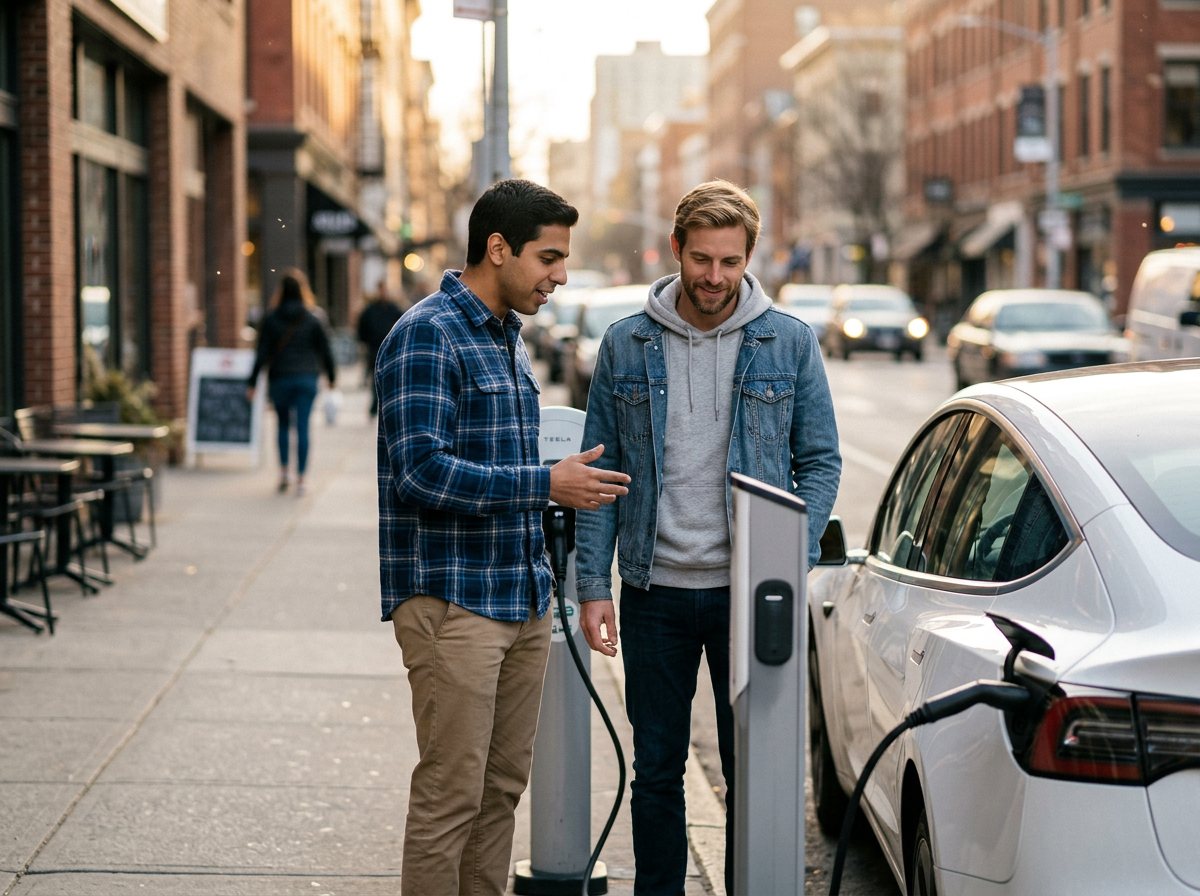
The world is filled with connected hardware that fails in front of non-experts. Chargers, gates, kiosks, robots, and industrial machines. Each one is online and reporting back to a server somewhere. None of them can recover. When they break, the loop closes with a human on a phone, probably reading from a script written a long time ago.
The bet is that this loop belongs inside the machine itself. The machine knows what failed. And the user knows what they tried. The operator needs to learn from both. Recovery is the work that connects them, and it's the work nobody has built infrastructure for.

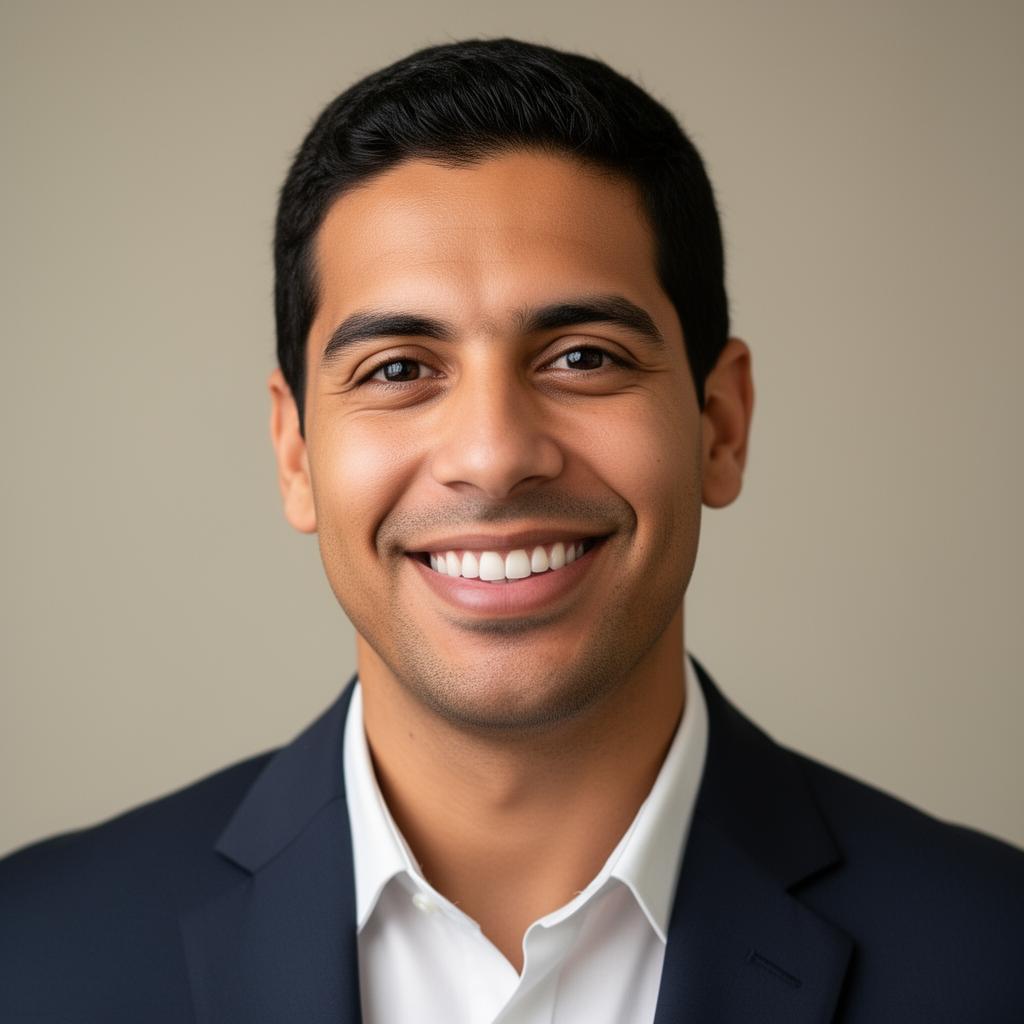
Gerardo left his Chief of Staff role at VCG, an AI company building for EV fleets, to start Aleya. There, he owned strategy, finance, and operations, and led the data and people teams.
Before Papaya, he raised more than two billion dollars from public and private markets at Arrival to build electric vans and buses, where he ran a cross-functional team focused on access to critical battery materials. At Zoomo, he signed partnerships with four leading light electric vehicle OEMs to launch a leasing product and open a third revenue stream.
He began his career in investment banking on the energy and advanced transportation desks at Greentech Capital Advisors, now Nomura Greentech, across New York and San Francisco.
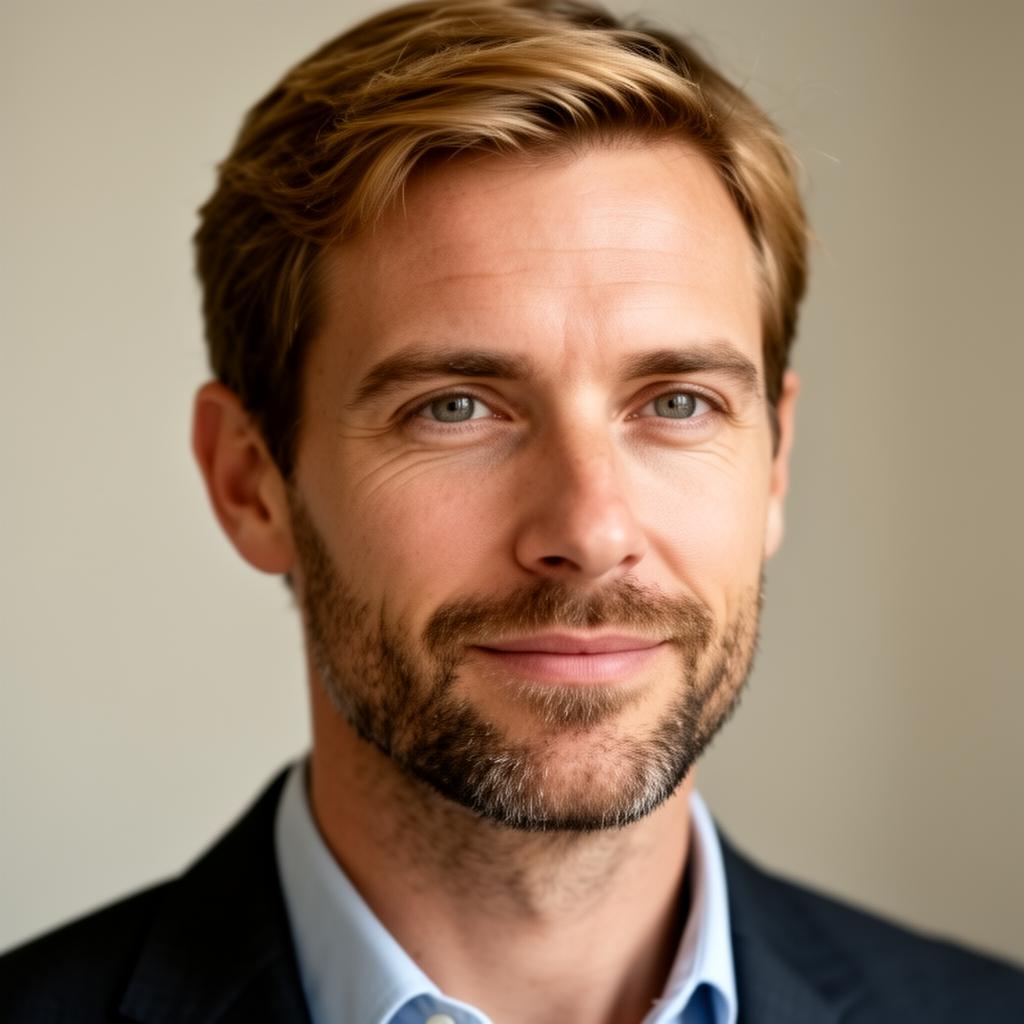
Otto left his Principal Product Manager role at Schneider Electric to start Aleya. There, he led product for a cloud data platform processing terabytes of IoT data each day across EV charging and energy infrastructure.
Earlier, he worked with automotive OEMs including BMW and VW on MongoDB implementations, represented the company at COVESA alongside BMW, Ford, and Bosch, and spoke at conferences across Europe and the US. Before that, he was employee number twelve at YC-backed Handoff.ai, where he led data work and shipped machine learning models through the company's Series A.
He holds an MEng with thesis honours and an MSc in Analytics from University of Oxford.
A SMALL TEAM ON AN UNUSUALLY CONCRETE MISSION
We're building Aleya for a future where infrastructure doesn't just connect. It recovers.
That means working on systems that touch the physical world, sit in front of real people, and fail in ways that can't be hand-waved away. The work is technical, operational, and uncomfortably real. That's the part that makes it worth doing.
We're looking for people who think from first principles, hold a high bar without needing to be reminded of it, and like being close to the thing that breaks. If that sounds like the kind of problem you want to spend the next few years on, we'd like to hear from you, even if there isn't a role posted that matches what you do.